

New Clinical Study Supports Sofwave for Non-Invasive Skin Laxity Treatment in Asian Patients
Date
A 2026 clinical study found that one Sofwave ultrasound treatment improved submental and neck skin laxity in 83.3% of Asian patients at three months, with 69.2% maintaining improvement at nine months.
For aesthetic providers, the findings add important clinical evidence for the use of high-intensity, non-focused, parallel ultrasound in Asian patients, a population in which considerations such as melanin content and post-inflammatory hyperpigmentation can influence treatment selection.
What did the new Sofwave clinical study find?
In a prospective clinical study of 42 Asian patients, a single ultrasound treatment improved submental and neck laxity in 83.3% at three months. Improvement remained evident in 69.2% at nine months, while eyebrow elevation and facial wrinkle improvements were also observed.
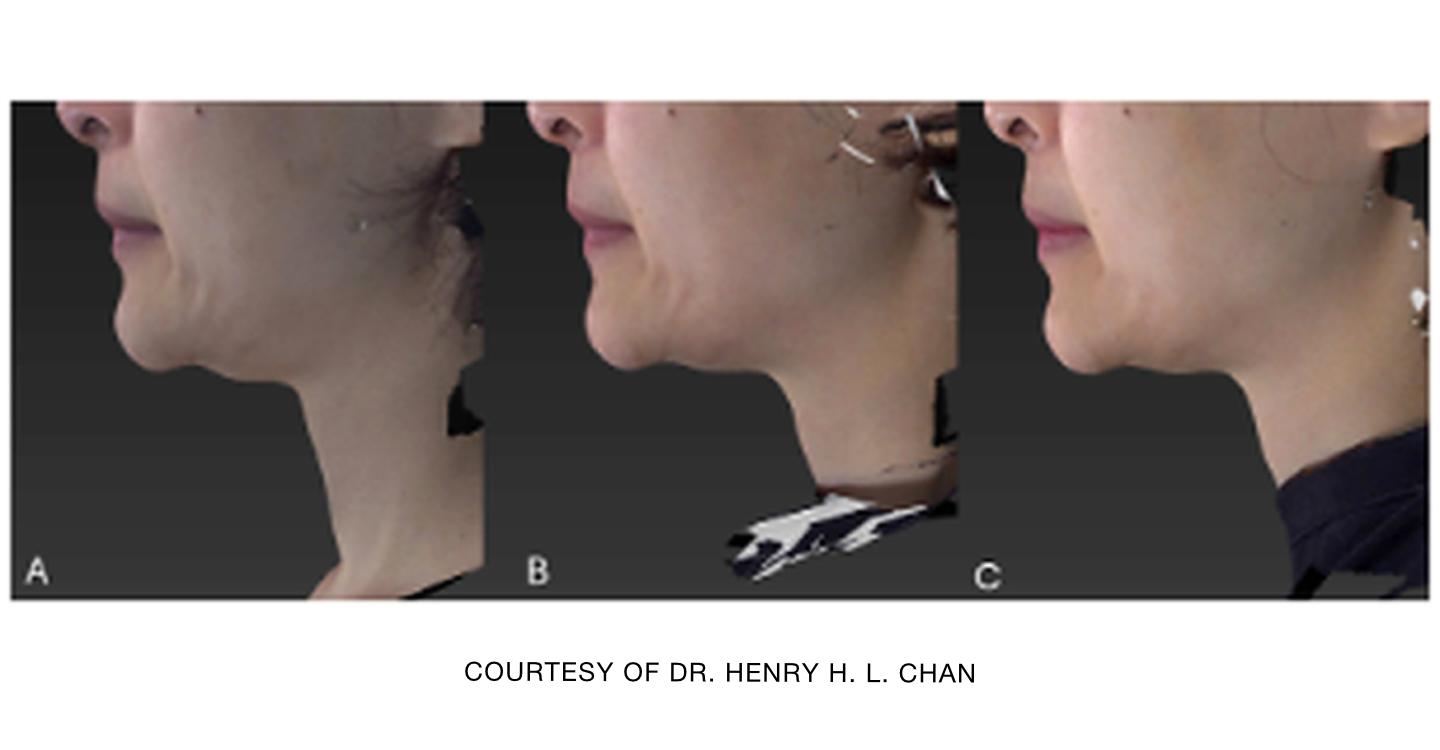
A single Sofwave ultrasound treatment resulted in investigator-assessed improvement in submental and neck laxity in 83.3% of patients at three months.
The peer-reviewed clinical report was published in Lasers in Surgery and Medicine in 2026 by Martin M. H. Chung, Christina S. M. Wong, Mandy W. M. Chan, Samantha Y. N. Shek, C. K. Yeung and Henry H. L. Chan.
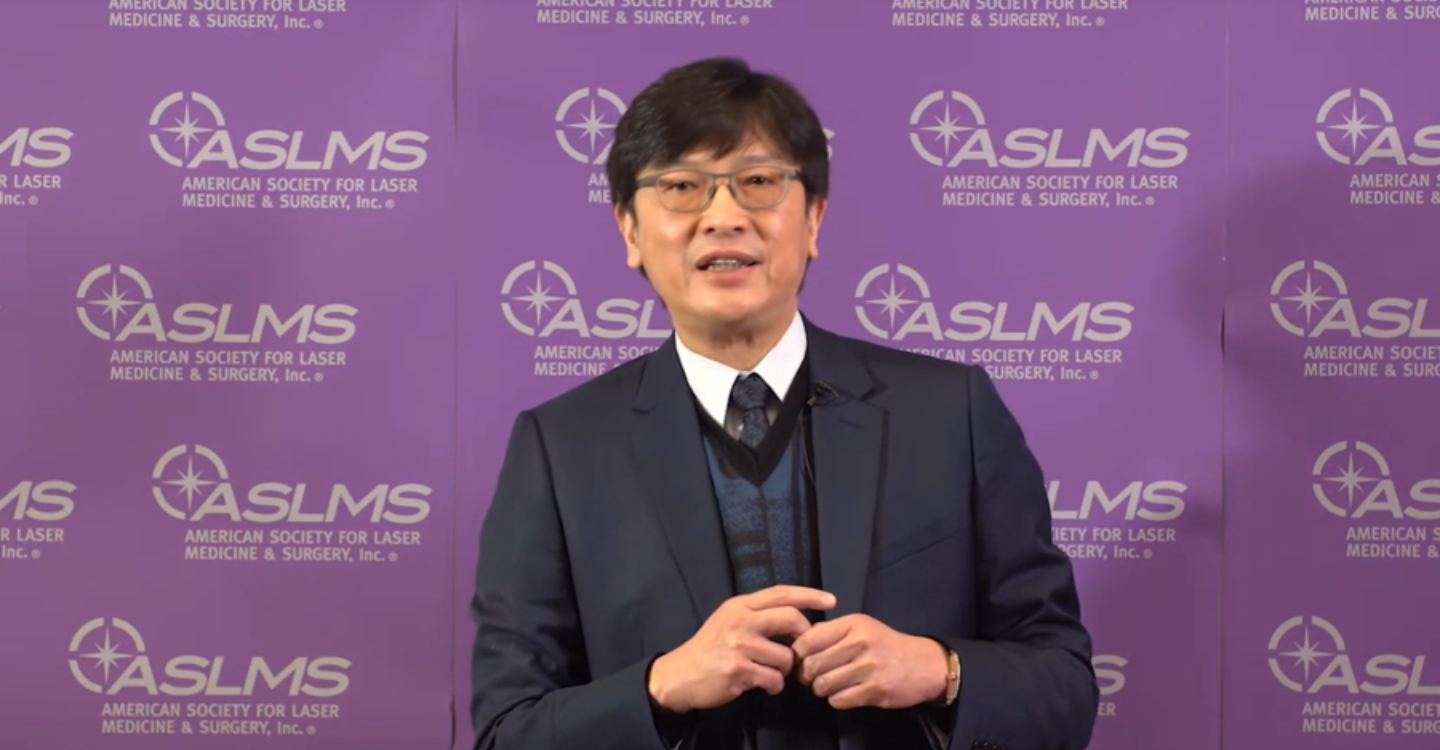
“High-intensity, non-focused, parallel ultrasound is effective in improving skin laxity and facial wrinkles in Asian patients.”
Henry H. L. Chan and colleagues, Hong Kong; University of Hong Kong / Massachusetts General Hospital, Harvard Medical School
Clinical Evidence
The prospective, open-label, non-randomized, single-center study enrolled 42 Asian adults aged 35–67. Each participant received one treatment covering the full face, neck and submental areas.
The study population was particularly relevant to providers treating patients with higher Fitzpatrick skin types:
42 patients received one treatment.
69% had Fitzpatrick skin type IV and 31% had skin type III.
95.2% were female.
Mean age was 50 years.
Average treatment energy was approximately 3.4 J per pulse.
Mean total number of pulses was approximately 280.
Outcomes were followed for up to nine months.
How effective was treatment for submental and neck laxity?
This was the strongest outcome reported in the study.
Improvement was assessed using the Physician Global Aesthetic Improvement Scale (PGAIS). Two independent assessors evaluated standardized photographs and were blinded to the time point being reviewed.
The persistence of improvement is particularly notable: 69.2% of evaluated patients continued to demonstrate improvement in submental and neck laxity nine months after a single treatment.
"Sofwave provides consistent dermal heating at 1.5mm while protecting the epidermis. It delivers safe lifting across diverse skin types." — Dr. Henry H. L. Chan, Hong Kong, Dermatologist
How does Sofwave ultrasound technology work?
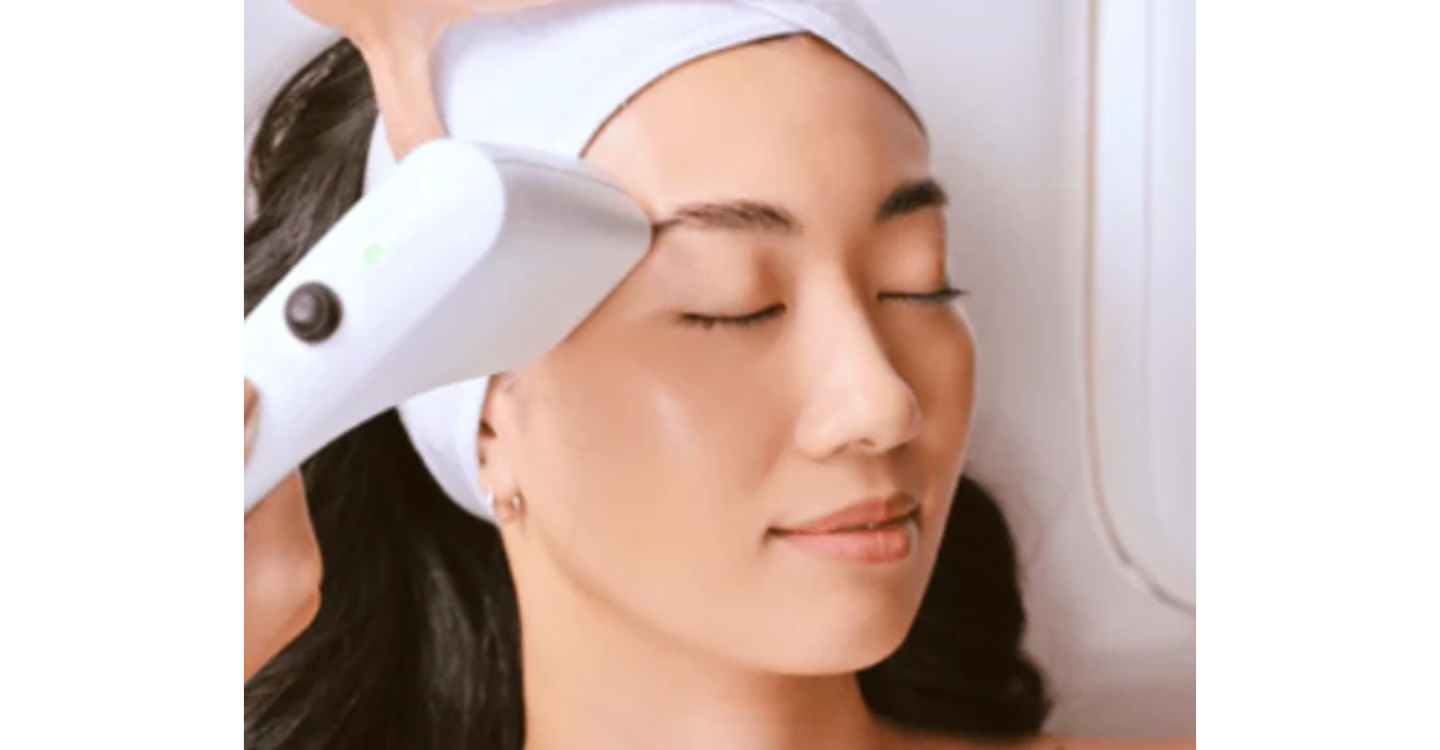
The device evaluated in the study delivers high-intensity, non-focused ultrasound through seven parallel beams, creating controlled thermal effects in the mid-dermis at approximately 1.5 mm depth. The system also incorporates surface cooling designed to preserve the epidermal layer during ultrasound energy delivery.
For providers, the treatment mechanism can be understood in three steps:
Ultrasound energy is delivered into the mid-dermis at approximately 1.5 mm.
Controlled thermal injury initiates a wound-healing response within the dermal tissue.
This response promotes collagen remodeling and neocollagenesis, supporting improvements in skin laxity and tissue appearance.
The mid-dermal layer contains a dense concentration of collagen and elastin, while integrated cooling helps protect the epidermis during energy delivery.
What did the study show about safety in Asian patients?
The safety findings are especially relevant because all participants were Asian and all had Fitzpatrick skin types III or IV. Post-treatment effects were primarily mild and transient. Trace or slight edema occurred in 7.2% of subjects, while trace or slight erythema occurred in 50% immediately after treatment. Both resolved during subsequent follow-up. Importantly, the investigators reported no bruising, blistering, burns, nerve injury or hyperpigmentation at follow-up visits.
Mean treatment pain was 5.06 on a 10-point VAS scale, and only three patients required paracetamol.
The authors specifically highlighted epidermal protection and the risk of post-inflammatory hyperpigmentation as important considerations when treating patients with skin of color.
What should aesthetic practices take from the study?
For practices considering non-invasive ultrasound treatments for skin lifting, the research provides several clinically relevant points:
The study demonstrated outcomes after one treatment session.
The strongest finding was improvement in submental and neck laxity.
Improvement remained evident in a majority of evaluated patients at nine months.
The study specifically evaluated an Asian population with Fitzpatrick III–IV skin types.
No serious adverse events were reported.
The technology targets the mid-dermis at approximately 1.5 mm with integrated epidermal cooling.
Providers should also consider the limitations. The study included only 42 participants, was conducted at a single center, lacked a control group and was not randomized. The authors recommend larger, multicenter controlled studies to further validate the findings.
Practice Economics
Clinical evidence is only one part of evaluating a new technology. Practices also need to consider treatment economics, patient demand and utilization.
Key Takeaways for Providers
The 2026 study adds evidence supporting high-intensity, non-focused, parallel ultrasound for facial rejuvenation in Asian patients.
Most notably, 83.3% of participants demonstrated improvement in submental and neck laxity three months after one treatment, and 69.2% maintained improvement at nine months.
For aesthetic practices, the research provides additional clinical support for discussing Sofwave with patients seeking a non-invasive approach to facial and neck skin laxity, particularly among Asian patients and Fitzpatrick III–IV skin types.
Explore Sofwave for Your Practice
Want to understand how Sofwave could fit into your treatment portfolio and practice economics?
Book a live demo to learn more about the technology, clinical evidence, treatment applications and potential integration into your aesthetic practice.
References
- https://sofwave.com/
- https://pubmed.ncbi.nlm.nih.gov/42226470/