

GLP-1 Weight Loss and Loose Skin: Understanding Facial Fat Loss and Collagen Changes
Date
Written by
Rana Bassal
Revised by
Martha Viera, MD
GLP-1 weight loss may reveal facial changes as fat pads shrink and collagen and elastin naturally decline with age. This guide explores the biology behind GLP-1 facial fat loss and highlights how skincare, lifestyle habits, and non-invasive treatments such as ultrasound collagen remodeling can support the appearance of facial wrinkles.
Losing weight can feel incredible–you have more energy, sleep better and enjoy a renewed sense of control. Yet many women who begin GLP-1 medications like Ozempic®, Wegovy®, or others notice something unexpected long before they reach their goals: the face starts to change. Cheeks look flatter, the jawline appears sharper and fine lines seem more pronounced than before, creating early signs of what many describe as GLP-1 loose skin.
These changes can spark worry, especially when the rest of the body feels healthier. But they are also common, medically explainable and not a sign that something is wrong. Understanding why these changes happen and what can support the skin through them can help women feel confident and informed throughout their weight-loss journey.
Do GLP-1 Medications Lead to Facial Fat Loss and Loose Skin?
Yes, often and the reason is rooted in how these medications work.
GLP-1 receptor agonists reduce appetite, make digestion happen more gradually and support steady calorie reduction. As the body burns stored fat for energy, it does not selectively target the abdomen, hips, or thighs. It also draws from facial fat pads, which sit under the skin and help define youthful contours. With GLP-1 medications, the body loses fat rapidly, particularly in the face. The speed and magnitude of weight loss over a short period of time can be abrupt, leaving the skin without adequate structural support. This results in increased skin laxity, leading to what is commonly referred to as “Ozempic face.” Or “GLP-1 face”
When these fat pads shrink, the face may appear:
More angular
Less full in the cheeks or temples
More hollow under the eyes
More lined around the mouth and eyes

For women ages 35–55, these changes can appear more dramatic due to the natural collagen decline and an age-related drop in elastin.
In other words, GLP-1 medications don’t age the face. They simply reveal structural changes that were already occurring beneath the surface. Changes many refer to when searching for weight loss loose skin solutions, or asking why does skin sag after weight loss.
Why GLP-1 Weight Loss Shows Up First in the Face
Facial changes during weight loss come from a combination of rapid fat reduction, age-related collagen shifts, hormonal changes, and the skin’s ability, or inability, to adjust.
1. Facial Fat Pads Shrink Quickly
Facial fat pads provide structure and shape to the midface, under-eye area, and jawline. When weight loss happens quickly, these pads shrink before the skin has time to adjust, which is why many women notice changes in their face before they see shifts on the scale.
Studies on rapid weight loss show a strong correlation between sudden fat reduction and visible contour changes, and this pattern becomes especially noticeable during GLP-1 facial fat loss.
2. Collagen Density Declines with Age
Collagen is the skin’s internal scaffolding. Collagen production declines by ~1% per year starting around age 25.This decline is gradual but cumulative, becoming more clinically visible in the 30s and accelerating. It gradually declines the production and continues to slow throughout midlife.
When weight loss removes the underlying fat that once provided support, weaker collagen fibers cannot maintain the same structure, making the skin look less firm.
This connection between collagen and weight loss helps explain why changes become more noticeable during GLP-1 treatment.

3. Elastin Declines Dramatically After Youth
Elastin is responsible for the skin flexibility that defines its ability to stretch and recoil. After early adulthood, elastin production slows significantly and is almost negligible by midlife. As a result, skin doesn’t “snap back” after volume changes the way it once did and may appear looser or less supported.
4. Lower Calorie Intake May Affect Skin Quality
GLP-1 medications often reduce appetite so significantly that overall nutrition patterns change. Lower protein, vitamin C, or micronutrients can compromise collagen production and skin repair, increasing the risk of facial volume loss and laxity during rapid weight loss. This may contribute to:
Duller or thinner-appearing skin
Slower collagen synthesis
More visible lines or creases
This creates a perfect storm for what many describe as Ozempic skin changes.
5. Time + Age Factors
The longer the skin has been stretched, due to weight gain, pregnancy, menopause, or simply time, the less likely it is to contract after fat loss. This is why midlife weight loss (with or without medication) can reveal loose skin more dramatically.
Safe, Non-Invasive Approaches to Improving Skin Appearance
You have options that do not require drastic measures. A combination of skincare, healthy habits, and non-invasive treatments for facial wrinkles can support the skin during and after GLP-1 weight loss.
Skincare That Supports the Skin During Weight Loss
Skincare cannot restore lost facial volume, but it can help the skin stay hydrated, resilient and healthy as the face changes shape. A consistent routine also offers emotional reassurance during a period of rapid internal change.
1. Retinoids (support collagen pathways)
Retinoids are vitamin A derivatives that promote steady cell turnover. They help the skin function more effectively and support collagen pathways, though they cannot rebuild deep structural changes. Start slowly, for example a few nights per week, to help minimize dryness, irritation and lack of compliance.
2. Antioxidants such as vitamin C
Vitamin C supports collagen formation and protects the skin from environmental stressors. During weight loss, when eating patterns may fluctuate, topical vitamin C is especially helpful for maintaining a brighter, more even skin tone and brighter look.
3. Ceramides to strengthen the skin barrier (cream, moisturizer, lotion)
Ceramides are lipids that make up about half of the skin’s outer barrier. Rapid weight loss or reduced fat intake can leave the skin feeling drier.
Applying a moisturizer that contains ceramides helps prevent moisture loss and make the skin more comfortable, which is particularly helpful when using retinoids.
4. Daily sunscreen to protect existing collagen
Sun exposure accelerates collagen breakdown. Consistent sunscreen use is essential during GLP-1 treatment, when facial fat loss may already make fine lines more visible.
Protecting the skin from UV damage helps preserve existing collagen and elastin, supporting dermal integrity and improving the skin’s ability to adapt to facial volume changes associated with weight loss.
Lifestyle Habits That Help Skin Look Its Best
These habits cannot regrow fat pads, but they support the skin’s function and appearance for anyone noticing signs of GLP-1 loose skin.
1. Prioritize protein intake
Protein provides the amino acids necessary for collagen synthesis, tissue repair and overall skin resilience. Appetite suppression during GLP-1 treatment can make it challenging to consume enough protein in one sitting, so spacing intake throughout the day can help maintain steady support for the skin.
Adequate protein also helps stabilize blood sugar and prevents muscle loss, which indirectly supports healthier facial contours. Try to include a source of protein at each small meal, such as eggs, Greek yogurt, cottage cheese, chicken, tofu, lentils, beans, edamame, quinoa, or fish like salmon and tuna. Nuts and seeds can also contribute some protein, but they are best viewed as a complement rather than a primary source.
2. Stay hydrated
GLP-1 medications often reduce thirst cues. Small, frequent sips help maintain hydration, which in turn supports skin elasticity, comfort, and a more luminous appearance. Hydration also affects how the skin’s barrier functions; when water intake is low, the skin may appear dull or more lined, especially when facial volume is decreasing.

1. Choose nutrient-dense foods
Micronutrients like vitamin C, zinc, copper and omega-3 fatty acids help maintain a healthy skin barrier and support repair. These nutrients can be found in everyday foods, including
citrus fruits and berries for vitamin C;
whole grains, legumes and shellfish for zinc;
leafy greens and mushrooms for copper;
fatty fish or plant-based oils for omega-3s
Even small servings of these foods throughout the week can help replenish the nutrients the skin relies on during periods of rapid weight loss.
2. Limit UV exposure
Protecting the skin from direct sunlight can make a meaningful difference while the face adjusts to changes from weight loss. Wearing wide-brimmed hats, seeking shade during peak daylight hours and reducing overall UV exposure help lessen the environmental stress on the skin.
3. Prioritize consistent sleep
Deep sleep supports the body’s restorative processes, during which cells repair damage and rebalance hydration levels. Sleep also helps regulate stress hormones, such as cortisol, that can negatively affect the skin’s barrier and make fine lines more pronounced.
Maintaining a stable sleep schedule is one of the most effective, low-effort ways to help the skin remain resilient during rapid weight loss.
Avoid sugar consumption:
Limiting refined sugars intake helps protect collagen and elastin from damage, keeping the skin firmer and slowing premature aging.
Where Non-Invasive Procedures Fit Into the Picture
Many people choose non-invasive, energy-based treatments to support collagen remodeling when facial fat decreases and existing lines or folds become more visible. These treatments do not correct loose skin caused by weight loss. Instead, they work by encouraging the skin’s natural collagen production, helping the skin appear more supported as it adapts to changes in underlying volume.
Common options include:
Provider-performed microneedling
Ultrasound-based collagen remodeling
Other energy-based wrinkle-improvement treatments
What Is Microneedling?
Microneedling, when performed by a trained provider, uses controlled micro-injuries at the surface of the skin to stimulate the body’s repair mechanisms. As the skin rebuilds these tiny channels, it produces new collagen and elastin, which can improve texture and support a smoother appearance
Microneedling is appreciated for its accessibility, but its effects tend to be more surface-focused and results often depend on repeated sessions. Temporary redness or sensitivity is common and for individuals already experiencing dryness from appetite changes during GLP-1 treatment, this recovery period may feel less comfortable.
Even so, the outcome can be subtle but meaningful, especially for patients noticing changes in how makeup sits on the skin or how fine lines appear after GLP-1-related facial fat loss.
How Does Ultrasound-Based Collagen Remodeling Work?
Ultrasound-based treatments use focused energy to stimulate collagen remodeling within the dermis, reaching the deeper layers of the skin where collagen naturally forms and organizes. Because the surface is left undisturbed, these treatments avoid the temporary redness or sensitivity often associated with surface-level procedures.
They are valued for their precision and for supporting structural changes without altering facial shape. Since ultrasound targets the dermis rather than the fat layer, its goal is not to restore volume but to strengthen the skin’s internal framework. This deeper, more targeted approach makes ultrasound technologies a strong option for areas such as the brow, neck, double-chin (or submental area) or jawline, locations where GLP-1–related fat loss may make lines or folds more visible.

How Does Sofwave™ Support Collagen Remodeling?
Sofwave™ is an FDA-cleared, non-invasive ultrasound technology that improves facial lines and wrinkles and lifts:
the eyebrows
lax skin of the neck
lax submental (under-chin) tissue
It does not replace lost fat, but can help improve the appearance of wrinkles in specific areas.
Softwave SUPERB™ Synchronous Ultrasound Parallel Beam Technology delivers ultrasound energy precisely at 1.5 mm, the depth where collagen remodeling occurs. This allows the treatment to target the area of the skin responsible for improving facial lines and wrinkles, while integrated SofCool™ cooling protects the epidermis.
A Sofwave™ treatment typically takes 30–45 minutes, and no penetration of the skin is required. Most patients resume their daily activities quickly afterward, which makes the procedure convenient for those managing busy schedules or juggling multiple health appointments during weight loss.
What Other Energy-Based Wrinkle-Improvement Treatments Are Available?
Dermatology also offers a range of light- and heat-based treatments, such as laser, radiofrequency, IPL and LED therapies, that stimulate collagen production through controlled dermal heating. These treatments are valuable for:
refreshing the skin's surface appearance,
supporting a more even tone,
subtly softening fine lines.
Radiofrequency uses thermal heating to warm the dermis, prompting collagen fibers to contract and encouraging the production of new collagen over time.
Light-based therapies (using LEDs or IPL) support skin clarity and may complement other treatments by targeting pigmentation and surface irregularities.
The depth of penetration varies widely by device and results often depend on multiple sessions. Some methods primarily target pigmentation or superficial texture rather than the deeper dermal network affected by weight-loss-related volume changes. For women experiencing GLP-1 facial changes, these treatments may complement approaches that reach deeper collagen structures.
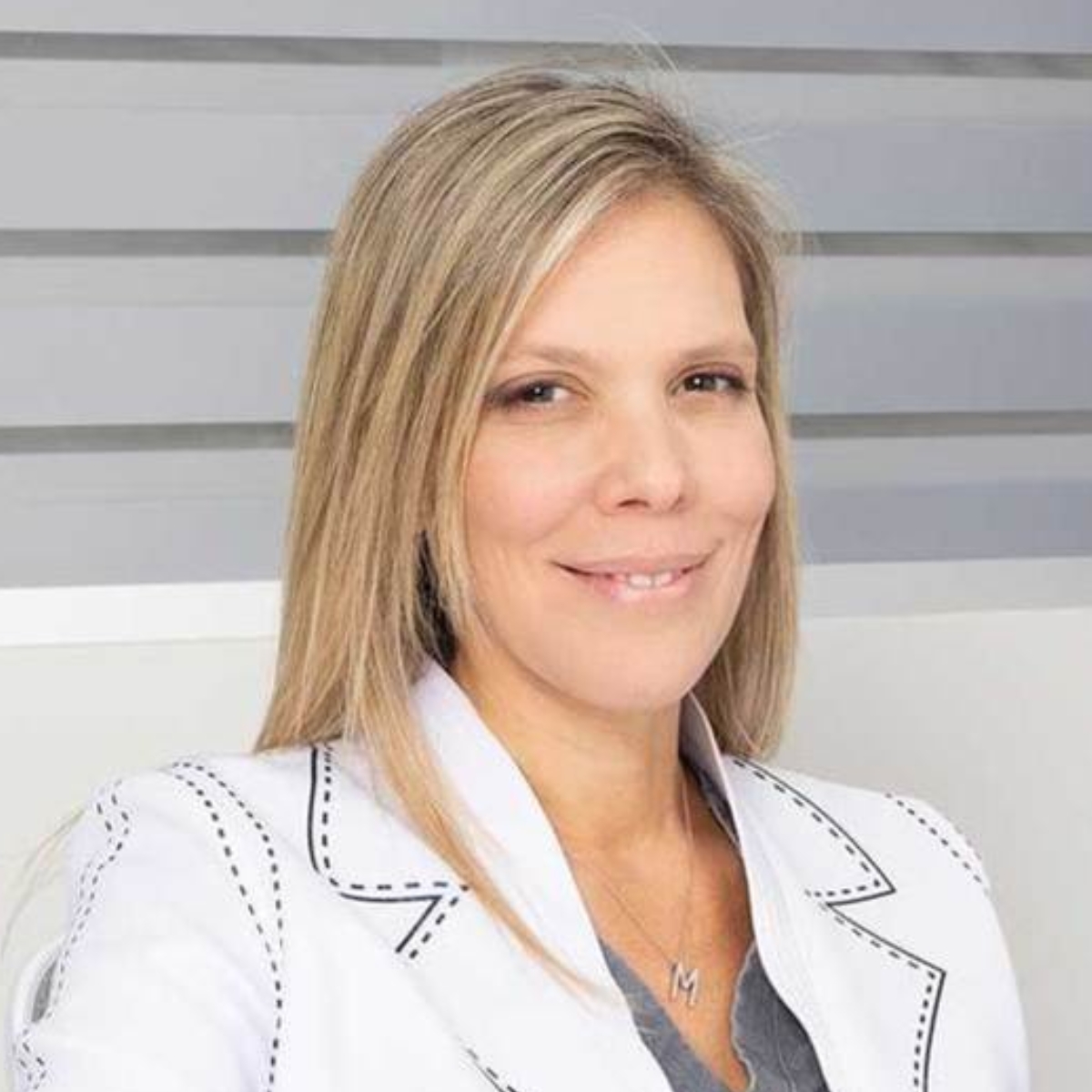
Martha Viera, MD
References
- “Micro-Focused Ultrasound Technology for Remodeling of Skin Tissue Architecture in an Animal Model,” Tang H, Li Y, Xiang X, Li W, Wang H, Hamblin MR, Wen X. Lasers Surg Med (2025 Jul;57(5)) https://pubmed.ncbi.nlm.nih.gov/40344435/
- “Wrinkles” https://my.clevelandclinic.org/health/diseases/10984-wrinkles
- “Preventing And Improving Loose Skin After Weight Loss,” Dr. Dina Elsalamony, MD, MScPH https://healthmatch.io/weight-management/how-much-weight-loss-causes-loose-skin
- “How does semaglutide work?” https://diet.mayoclinic.org/us/blog/2024/how-does-semaglutide-work/
- “Consensus Statements on Managing Aesthetic Needs in Prescription Medication-Driven Weight Loss Patients: An International, Multidisciplinary Delphi Study,” Nikolis, A., Enright, K. M., Fabi, S. G., Somenek, M., Cartier, H., Avelar, L., Franco, J., Haddad, A., Angelo-Khattar, M., Huang, J., Safran, T., Prygova, I., & Dayan, S. Journal of Cosmetic Dermatology (2025) https://doi.org/10.1111/jocd.70094
- “Microfocused Ultrasound With Visualization Induces Remodeling of Collagen and Elastin Within the Skin,” Marquardt K, Hartmann C, Wegener F, Park JY, Halbert D, Hsu S, Hengl T. Journal of Cosmetic Dermatology (2025 Jan;24(1)) https://pmc.ncbi.nlm.nih.gov/articles/PMC11743342/
- “Efficacy and safety of high-intensity, high-frequency, non-focused ultrasound parallel beams for facial skin laxity,” Gold MH, Biron J. Efficacy and safety of high-intensity, high-frequency, non-focused ultrasound parallel beams for facial skin laxity. Journal of Cosmetic Dermatology (2024 Jan;23(1)) https://pubmed.ncbi.nlm.nih.gov/38031530/